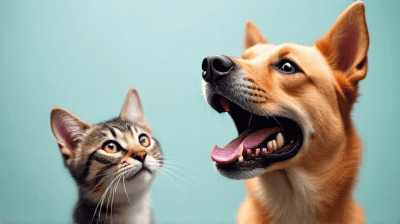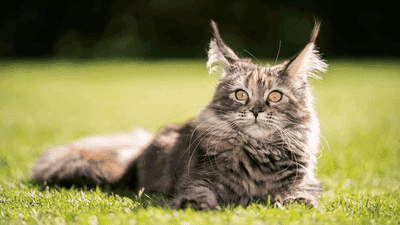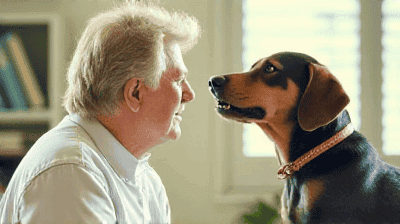
Training your pet is an essential part of building a strong, trusting relationship and ensuring they behave appropriately in various situations. While there are many training methods available, positive reinforcement has emerged as one of the most effective and humane approaches. By rewarding desired behaviors rather than punishing undesirable ones, positive reinforcement encourages pets to learn and thrive.
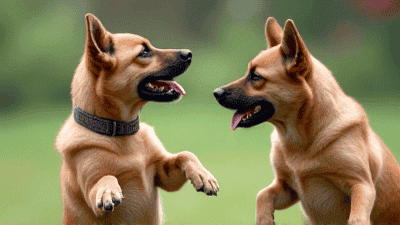
Training your pet is an essential part of building a strong, trusting relationship and ensuring they behave appropriately in various situations. While there are many training methods available, positive reinforcement has emerged as one of the most effective and humane approaches. By rewarding desired behaviors rather than punishing undesirable ones, positive reinforcement encourages pets to learn and thrive.
Definition
Positive reinforcement training is a method that rewards desired behaviors with something your pet finds motivating, such as treats, praise, or play. This encourages them to repeat the behavior in the future.
How It Works
When your pet performs a desired behavior, they receive a reward immediately. Over time, they associate the behavior with the reward and are more likely to repeat it.
2. The Science Behind Positive Reinforcement
Behavioral Psychology
Positive reinforcement is rooted in the principles of behavioral psychology, specifically operant conditioning. This theory suggests that behaviors followed by rewards are more likely to be repeated.
The Role of Dopamine
Rewards trigger the release of dopamine, a neurotransmitter associated with pleasure and learning. This helps your pet form positive associations with the behavior being reinforced.
Long-Term Benefits
Positive reinforcement not only teaches specific behaviors but also builds confidence, strengthens the bond between pet and owner, and reduces fear and anxiety.
3. Benefits of Positive Reinforcement Training
Strengthens the Human-Pet Bond
Positive reinforcement fosters trust and cooperation, creating a stronger connection between you and your pet.
Encourages Willingness to Learn
Pets are more motivated to learn when training is enjoyable and rewarding.
Reduces Fear and Anxiety
Unlike punishment-based methods, positive reinforcement does not instill fear or stress, making it a safer and more humane approach.
Promotes Mental Stimulation
Training challenges your pet’s mind, helping to prevent boredom and related behavioral issues.
Builds Confidence
Successfully performing behaviors and earning rewards boosts your pet’s self-esteem.
4. Techniques for Positive Reinforcement Training
Clicker Training
- What It Is: A clicker is a small device that makes a distinct clicking sound when pressed. It is used to mark the exact moment your pet performs a desired behavior.
- How to Use: Pair the click with a treat so your pet learns to associate the sound with a reward. Click immediately when the desired behavior occurs, then give a treat.
- Example: Click and treat when your dog sits on command.
Luring
- What It Is: Using a treat or toy to guide your pet into performing a specific behavior.
- How to Use: Hold the treat close to your pet’s nose and slowly move it in the desired direction. Reward them when they follow the lure and complete the behavior.
- Example: Lure your cat into a sitting position by moving a treat upward over their head.
Shaping
- What It Is: Rewarding incremental steps toward a desired behavior.
- How to Use: Break the behavior into smaller, manageable actions and reward each step. Gradually shape the behavior until your pet performs it fully.
- Example: Teach your dog to roll over by rewarding them for lying down, then for turning their head, and finally for completing the roll.
Capturing
- What It Is: Rewarding a behavior when it occurs naturally.
- How to Use: Watch for the behavior and reward it immediately. Over time, your pet will associate the behavior with the reward and perform it more often.
- Example: Reward your cat for using the scratching post instead of the furniture.
Redirection
- What It Is: Redirecting your pet’s attention from an undesirable behavior to a desirable one.
- How to Use: When your pet engages in unwanted behavior, offer an alternative and reward them for choosing it.
- Example: If your dog starts chewing on shoes, give them a chew toy and reward them for playing with it.
5. Tips for Effective Positive Reinforcement Training
Be Consistent
Use the same cues and rewards consistently to avoid confusing your pet.
Timing Is Key
Reward your pet immediately after the desired behavior to ensure they make the connection.
Use High-Value Rewards
Choose treats or toys that your pet finds highly motivating to maximize the effectiveness of training.
Keep Sessions Short
Training sessions should be brief (5-10 minutes) to maintain your pet’s focus and prevent frustration.
Be Patient
Every pet learns at their own pace. Celebrate small successes and avoid rushing the process.
Avoid Punishment
Punishment can create fear and stress, undermining the trust and confidence built through positive reinforcement.
6. Common Challenges and Solutions
Lack of Motivation
If your pet isn’t responding to treats or praise, try using a more enticing reward or incorporating play into training.
Distractions
Start training in a quiet environment and gradually introduce distractions as your pet becomes more skilled.
Inconsistent Behavior
If your pet sometimes performs the desired behavior and sometimes doesn’t, ensure you’re rewarding the behavior every time and using clear, consistent cues.
7. Training Specific Behaviors with Positive Reinforcement
Basic Commands
- Sit: Use a lure to guide your pet into a sitting position, then reward immediately.
- Stay: Ask your pet to stay, take a step back, and reward them for remaining in place.
- Come: Call your pet’s name, reward them when they approach, and gradually increase the distance.
Advanced Behaviors
- Roll Over: Use shaping to reward incremental steps toward the full roll.
- Fetch: Reward your pet for picking up the toy, then for bringing it back to you.
Behavioral Issues
- Jumping: Reward your pet for keeping all four paws on the ground.
- Barking: Reward your pet for being quiet and redirect their attention to a more appropriate behavior.
8. Positive Reinforcement for Different Pets
Dogs
Dogs are highly trainable and respond well to positive reinforcement. Use a combination of treats, praise, and play to teach them new behaviors.
Cats
While cats can be more independent, they can still be trained using high-value treats and patience. Focus on behaviors that are naturally rewarding for them, such as using a scratching post.
Birds
Birds are intelligent and social, making them excellent candidates for positive reinforcement training. Use treats and praise to teach tricks and encourage good behavior.
Small Animals
Rabbits, guinea pigs, and other small animals can learn simple behaviors through positive reinforcement. Use their favorite treats as rewards and keep training sessions brief.
9. Long-Term Benefits of Positive Reinforcement
Lifelong Learning
Positive reinforcement encourages a lifelong love of learning and adaptability in pets.
Improved Behavior
Pets trained with positive reinforcement are less likely to exhibit fear-based or aggressive behaviors.
Stronger Relationships
Training builds trust, communication, and mutual respect between you and your pet.
Conclusion
Positive reinforcement training is a powerful, humane, and effective way to teach your pet new behaviors and address behavioral issues. By focusing on rewards rather than punishment, you can create a positive learning environment that strengthens your bond with your pet and promotes their mental and emotional well-being. Whether you’re teaching basic commands or tackling more complex behaviors, patience, consistency, and a positive attitude are key to success. Start your positive reinforcement journey today and watch your pet thrive!